
Leadership Branding: Why What You Wear Matters More Than You Think
Leadership Branding: Why What You Wear Matters More Than You Think
Your leadership brand isn’t just what you say, it’s also what people experience when you walk into the room. When I talk about personal branding, clients often think about LinkedIn profiles, websites, photographs, speaking opportunities and the way they communicate. The other part of your personal brand that is communicating all the time, often before you’ve said a word, is your appearance.
What exactly is leadership branding?
Your leadership brand is essentially the reputation you build through the way you lead, communicate and show up. It answers questions such as:
- What do people know me for?
- How do I want to be perceived?
- What qualities do I want people to associate with me?
- What makes me credible?
- What makes me memorable?
- Does the way I present myself reflect the level at which I operate?
Your leadership brand isn’t something you can completely control as other people’s perceptions will always play a part. What you can do is be intentional about the signals you’re sending and your wardrobe is one of those signals, so make it count.
Your leadership brand should be recognisable
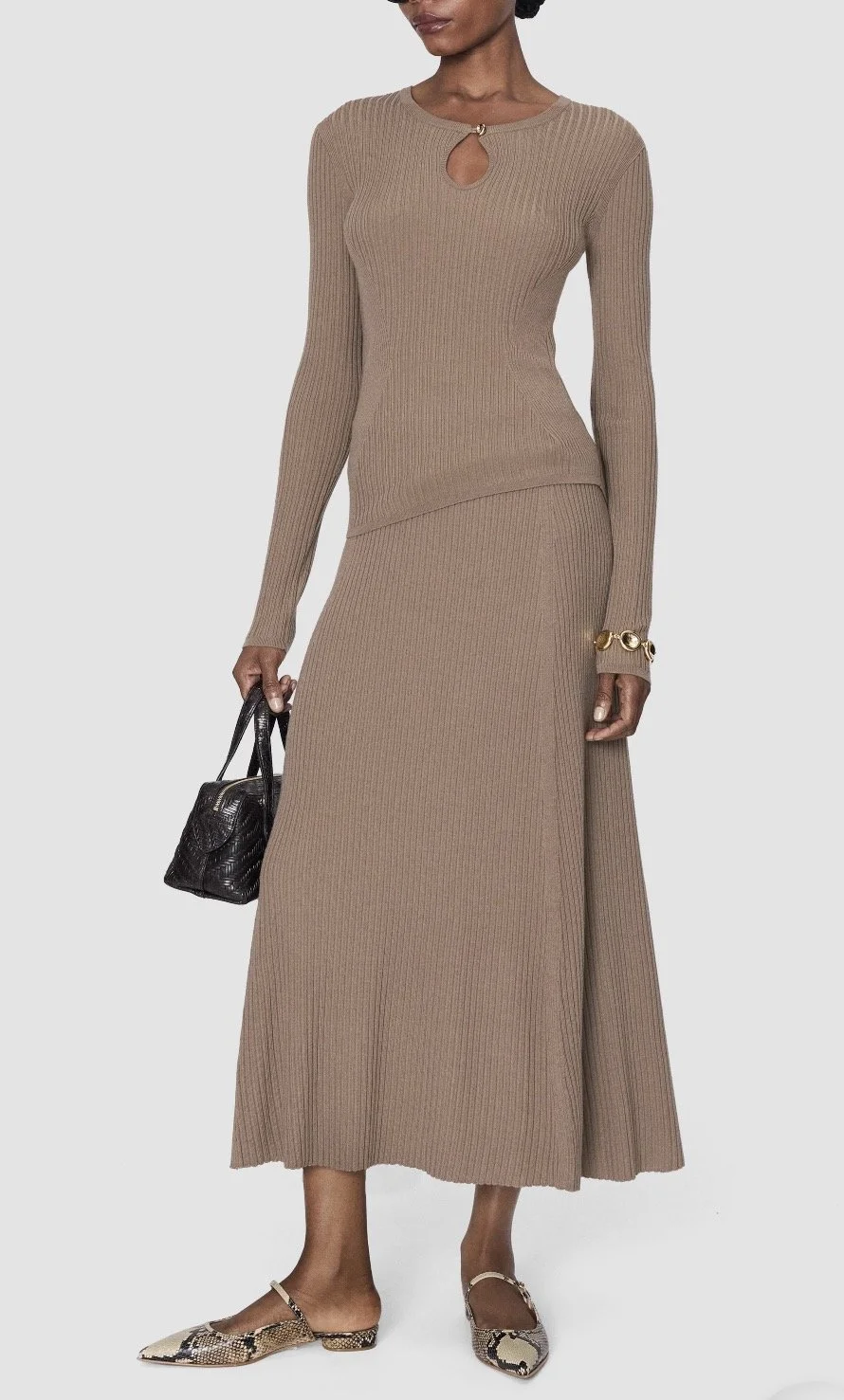
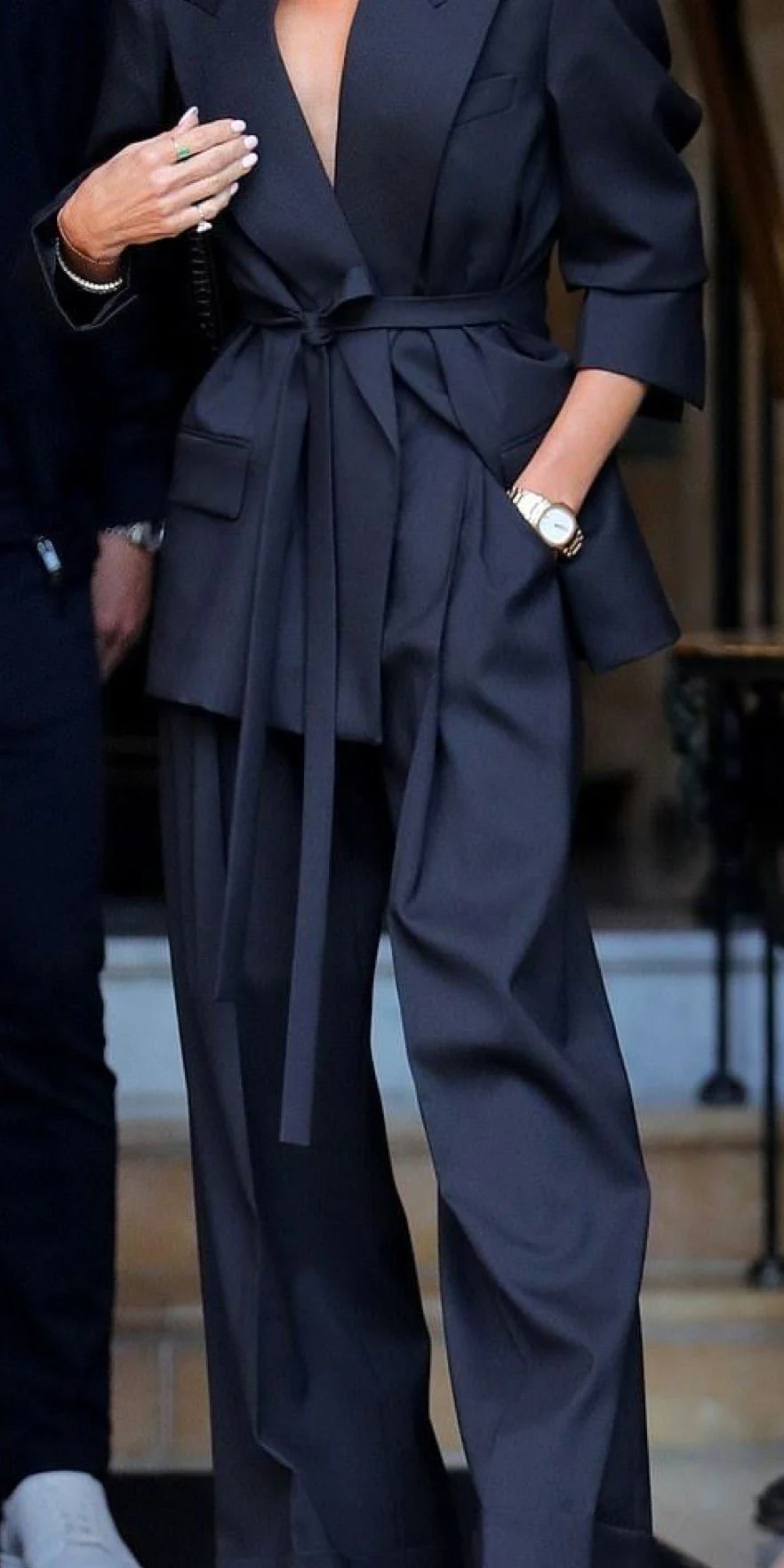
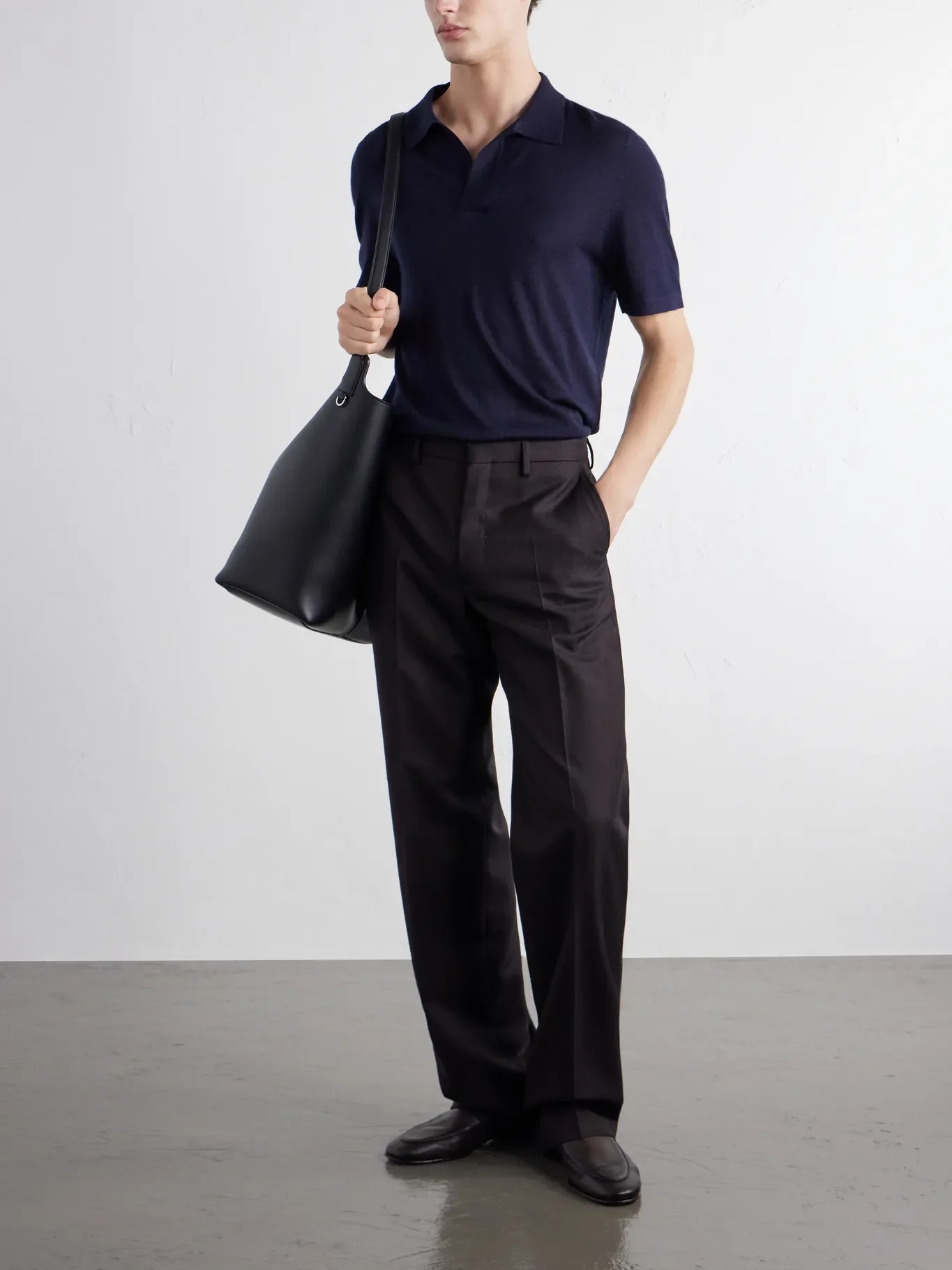
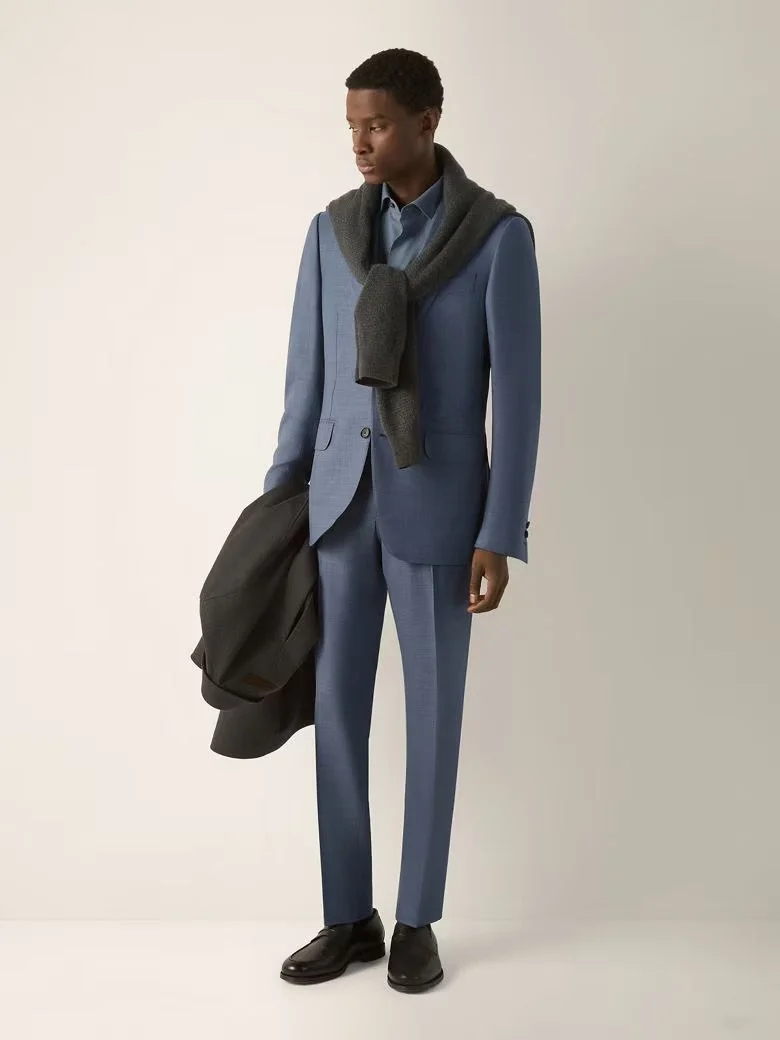
The strongest personal brands are consistent. Think about the leaders you recognise immediately, their appearance often has a degree of visual consistency - not necessarily because they wear exactly the same thing every day, but because there is something recognisable about their style.. Perhaps it’s their simplicity, their tailoring, their use of colour or their understated approach. Whatever it is, it’s impactful in it’s subtlety and that’s exactly what my clients want: a look that speaks volumes, quietly.
Joseph
Mr Porter
Zegna
I help clients develop a strong visual language - a wardrobe that makes sense alongside the rest of their personal brand. Which brings me to the question I so often get asked by clients: “What should a leader wear?” As discussed in my previous post, there isn’t one universal leadership wardrobe. A CEO of a tech company may have a very different visual identity from a partner at a law firm. Just as a top-level exec stepping into a board-level role may want to communicate authority without losing her femininity. The right question isn’t: “What should I wear as a leader?” It’s: “What do I want my appearance to communicate about the way I lead?” That question changes everything.
Four questions to ask about your leadership brand
1. What do you want to be known for?
Perhaps it’s innovation, trust, expertise, approachability, authority, creativity or calm decision-making. Or a combination of them all. Whatever your aim, your clothing should support those qualities rather than contradict them.
2. Who needs to trust you?
Your audience matters. The people you lead may respond differently to your appearance than investors, clients, board members or potential business partners. Understanding your audience doesn’t mean dressing to please everyone as that is an impossible task. What it does mean is understanding the environment in which your leadership brand needs to operate.
3. Does your wardrobe reflect your current position?
One of the most common issues I see is people evolving professionally but their wardrobes have not evolved with them. You may have become a CEO, partner, founder or director without consciously changing the way you present yourself. This is a problem (to be solved!) as your clothes telling the story of where you’ve been rather than where you are now, is not working.
4. Does it still feel like you?
This is perhaps the most important question. Leadership branding shouldn’t require you to become a different person. If you feel as though you’re wearing a costume, you’ll probably behave differently in it too. The strongest executive style is one that feels natural enough that you can forget about what you’re wearing and focus on what you’re there to do.
The danger of dressing for the role rather than the person
There is a temptation when moving into senior leadership to adopt what we think a leader is supposed to look like. For some people, that might look like buying a very traditional suit, for others, it could mean stripping away all personality in favour of neutral, toned down pieces. But leadership isn’t about looking like everybody else in the room. In fact, quite the opposite - your individuality can be your biggest asset. The objective is to retain the elements that make you recognisably you, while refining the way they are expressed in a professional context. That’s where personal style becomes strategic.
Your wardrobe is an extension of your personal brand
Your leadership brand exists across multiple touchpoints those being: your LinkedIn profile, website, presentations, your meetings, speaking engagements and social media presence, as well as your photographs and the clothes you wear. When these elements are aligned, they reinforce one another and when they’re not, they can create a disconnect.
You might have an exceptionally strong LinkedIn profile positioning you as a senior authority, but then appear in photographs that don’t reflect that same level of confidence. Or you may have built a reputation as an innovative founder while dressing in a way that feels much more conservative than your business. None of these things mean you’re doing something “wrong”, they simply represent opportunities to create greater consistency.
Leadership branding isn’t necessarily about looking the most expensive
A strong leadership brand needn’t consist solely of a wardrobe full of luxury labels. Mixing high quality, mid-range brands with more expensive pieces is a smart way to elevate your overall look and keep it looking fresh seasonally. Fit, fabric, proportion, colour, condition and consistency can often make a greater difference than the price tag, with the most effective wardrobe being the one that makes sense for the person’s role - I take into consideration a client’s personality, lifestyle, the industry they specialise in and the environments in which they operate.
The goal is effortless authority
Ultimately, your clothes shouldn’t become the focus, they should support the bigger picture. When your appearance feels aligned with your expertise, personality and position, you can walk into a room without wondering whether you look the part because you simply feel like yourself but with greater intention, and that’s entirely the point. Leadership branding isn’t about creating an image that isn’t real, it’s about making the reality of who you are easier for other people to see. Your clothes are only one part of that story but they’re always speaking before you do.