
How Clothes Influence Leadership Perception
How Clothes Influence Leadership Perception
I’ve worked with enough executives over the years to know that what you wear can have a surprisingly powerful impact on how you’re perceived. Not because clothes are everything. They’re not. And certainly not because there’s one particular “executive uniform” that everyone should be wearing.
But when you walk into a room, people make an impression of you very quickly. Before you’ve said very much at all, they’re already picking up on your confidence, your credibility, your attention to detail and, to some extent, your position.
It’s not about dressing to impress
One of the things I talk about with my clients is that executive style isn’t about being trend-driven or overly polished. Infact, trying too hard can have the opposite effect. The goal is to look like you but at your most considered. I work with clients who are already successful in what they do. They don’t need their clothes to give them credibility - they’ve already earned that. What their wardrobe can do, however, is make sure their appearance is aligned with the level at which they’re operating.
I’ve had clients come to me because they’ve been promoted, launched a business, stepped into a more senior role or simply realised that their wardrobe no longer reflects where they are in their career. Often, nothing is particularly “wrong” with what they’re wearing, it's just no longer quite right and that distinction matters.
Your clothes communicate before you do
Something I say to clients when I first work with them is to think about walking into a meeting with a board, presenting to investors or meeting a potential client for the first time. You are incredibly knowledgeable, you may be the best person in the room at what you do but before you start talking, people are already forming an impression:
Is this person confident?
Do they look comfortable in their position?
Do they look credible?
Do they look like they understand the environment they’re in?
Your clothes can either reinforce those messages or create a little disconnect. That doesn’t mean wearing a suit because you think successful people wear suits, it might mean a beautifully cut jacket with a statement skirt and a simple knit. It might mean a more relaxed wardrobe for a creative founder or it might mean investing in better fabrics, improving fit or simply creating more uniformity in the way you present yourself.
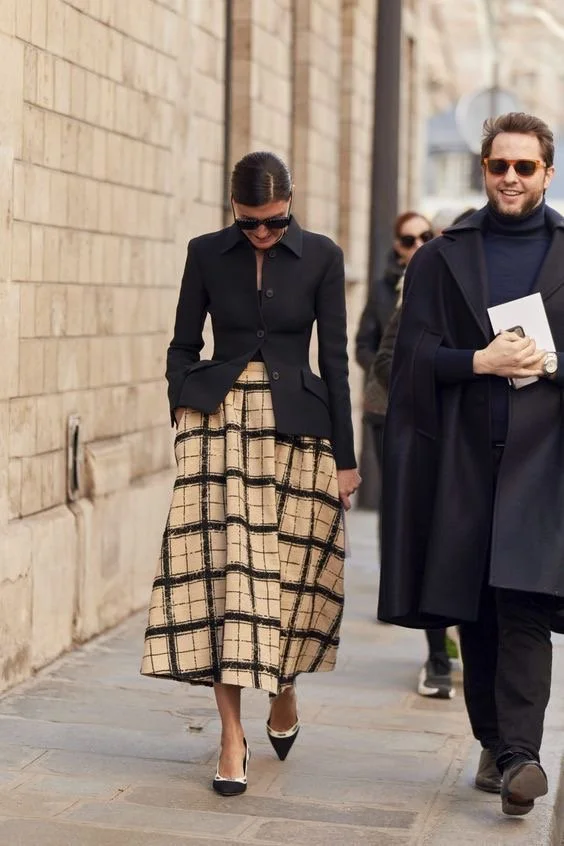
The answer is different for every client and confidence changes when you feel right in your clothes. One of the biggest things I see is when someone is wearing clothes that fit well, feel comfortable and genuinely feel like them, they carry themselves differently. More confidence and better self-perception.
And that is where personal style becomes much more interesting to me. It’s not really about the clothes, it’s about what the right clothes allow you to do and the way they make you feel in your own skin.
There isn’t one definition of executive presence
I’m increasingly conscious of this when working with clients. Executive presence doesn’t have to mean formal, or conservative and it certainly doesn’t mean that everyone needs to look the same. The important distinction is that the clothes make sense for the person, the role and the environment.
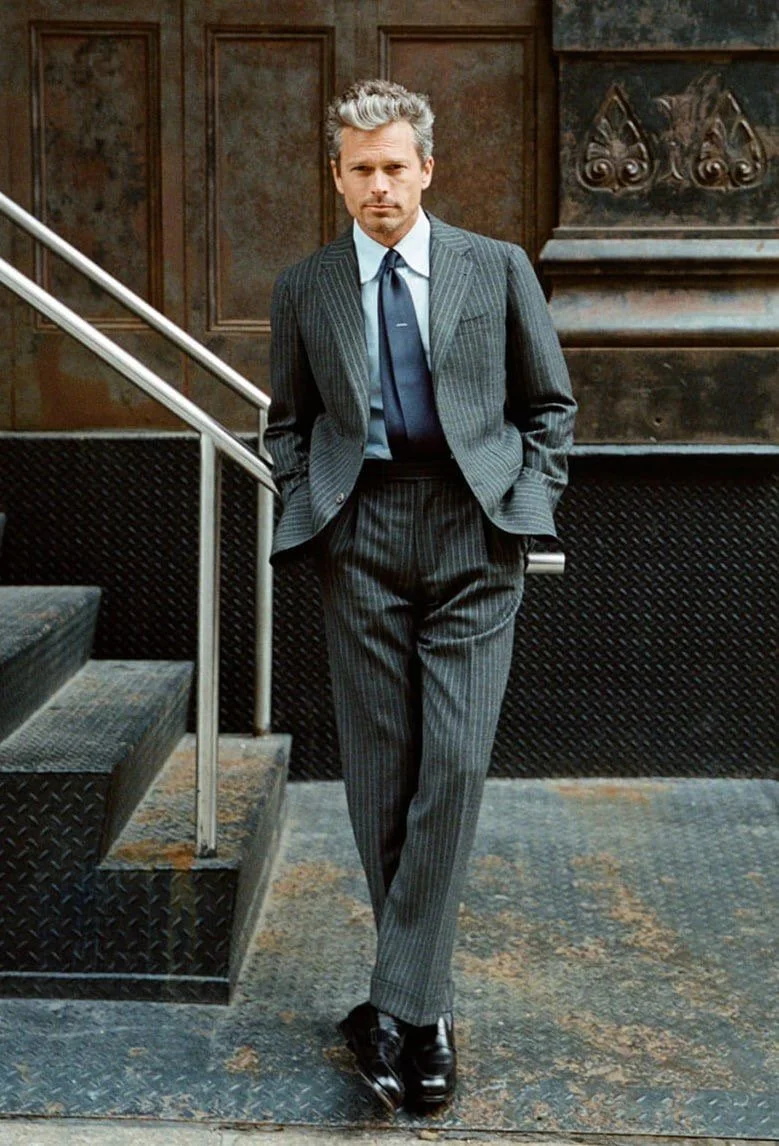
The most successful wardrobes are strategic
When I work with clients, I’m not interested in simply filling their wardrobe with more clothes, infact quite often the opposite happens. We start by editing what they currently have and identifying what’s working, what isn’t, what could work harder and where there are gaps.
Then we build a wardrobe that gives them options and a strategy for getting dressed, because if you’re running a business, leading a team or travelling constantly, you don’t want to stand in front of your wardrobe every morning wondering what to wear, you want to know that what’s there works, seamlessly.
You want to be able to walk into your wardrobe and pull something together that feels right for the meeting, the presentation, the dinner or the day ahead - that’s when style becomes a tool rather than another decision to make.
So, can clothes influence leadership perception?
Absolutely, but I don’t believe the answer is about dressing for other people, it’s about understanding the message you’re already sending and deciding whether it’s the message you want to send.
The right clothes can create confidence, consistency and clarity. They can help you feel more comfortable stepping into a bigger role and sometimes, they simply give you that feeling of “I have this handled.”
For me, that’s the real power of personal style - not changing who you are but making sure what you wear supports who you are becoming.