
How do you build a signature executive wardrobe without looking repetitive?
The art of creating a wardrobe that is polished, recognisable and effortlessly sophisticated.
There is something incredibly powerful about an executive who understands their personal style.
Whether you're leading a boardroom, building a business or representing an organisation, the way you present yourself contributes to your professional identity.
A signature executive wardrobe isn't about owning endless clothes or following every passing trend. Far from it. It's about creating a recognisable personal style that communicates confidence, credibility and individuality.
But how do you establish a consistent professional image without looking as though you're wearing the same outfit every day?
The answer lies in building a wardrobe around consistency, versatility and thoughtful variation. A signature uniform isn't about wearing identical outfits. It's about establishing a distinctive style language that makes getting dressed easier while ensuring you always look polished, professional, credible and confident.
Here is how to create one:
1. Define Your Signature Style
Before investing in new clothes, take a step back and consider how you want your personal image to be perceived.
Your wardrobe should communicate something about you, long before you open your mouth to speak.
Start by choosing three words that capture your desired style identity.
For example:
Authoritative: Structured tailoring, defined shoulders and clean silhouettes.
Elegant: Beautiful fabrics, refined accessories and understated details.
Modern: Contemporary cuts, subtle statement pieces and interesting textures.
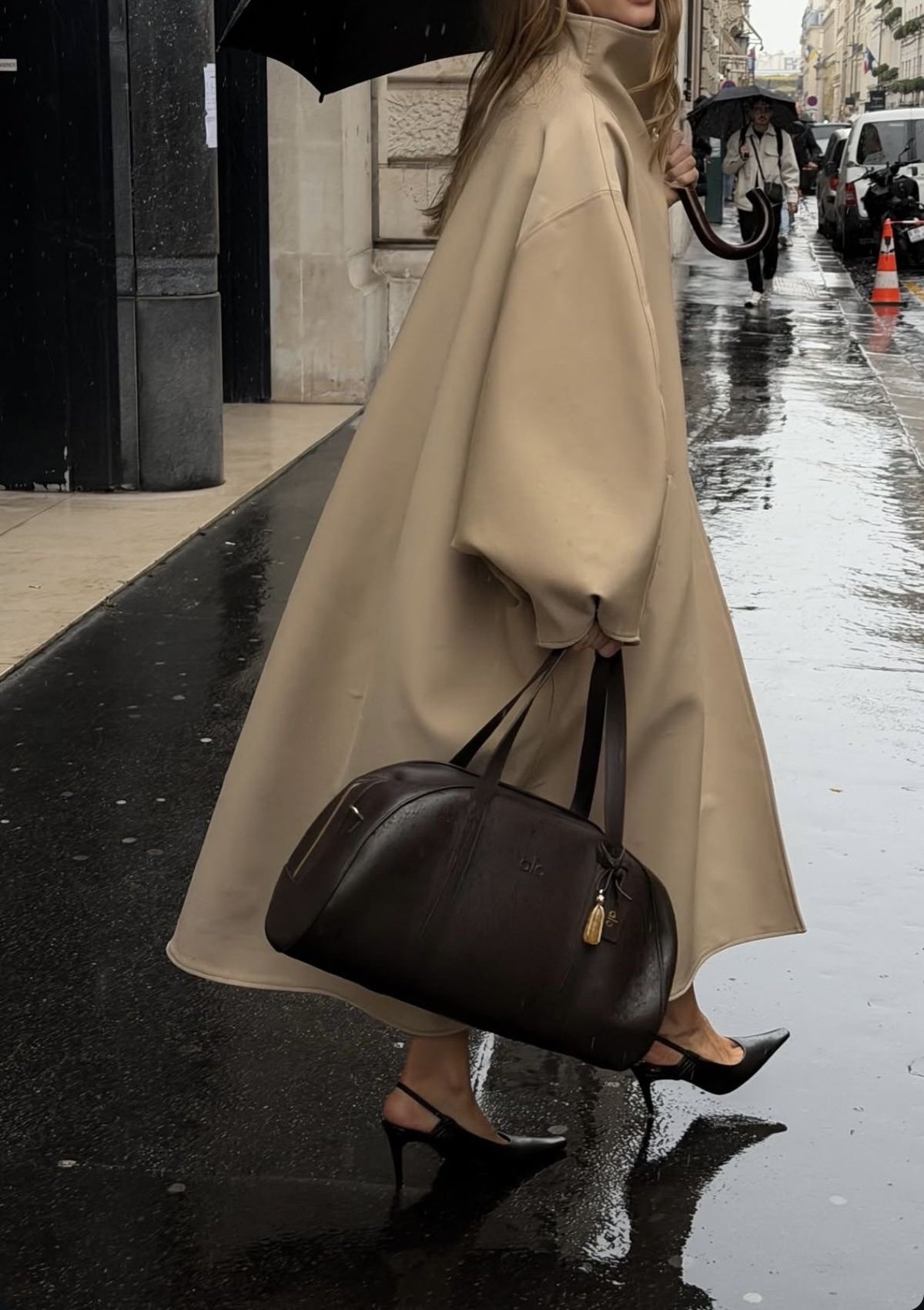
Pinterest: Elegant yet modern
These three words become your style filter.
Whenever you consider buying something new, ask yourself whether it supports the image you are trying to create.
This prevents impulse purchases and helps establish a wardrobe that feels cohesive rather than disconnected.
2. Establish a Signature Colour Palette
One of the easiest ways to create a recognisable wardrobe is through colour.
Rather than filling your wardrobe with lots of unrelated shades, establish a palette of three or four core colours supported by two or three accent colours.
For a sophisticated executive wardrobe, consider:
Core colours:
Navy
Charcoal grey
Black
Camel/Warm beige
White/Ivory
Taupe
Accent colours:
Burgundy
Forest/Emerald green
Chocolate brown/Expresso
Powder blue
Butter yellow/Soft gold
Your core colours provide consistency, while accent colours introduce personality and variety.
The advantage is that most of your wardrobe will naturally coordinate. You can combine different pieces without having to think too hard about whether they work together.
It also means you can introduce a new colour through a blouse, handbag, shoe or accessory without rebuilding your entire wardrobe.
3. Invest in Five Essential Wardrobe Categories
A successful executive wardrobe isn't built around individual outfits. It is built around versatile pieces that can be styled in multiple ways.
I recommend focusing on five key categories.
The signature blazer
A beautifully tailored blazer can become the foundation of your executive wardrobe.
Invest in two or three styles:
A structured blazer for meetings and formal occasions.
A relaxed blazer for more contemporary everyday dressing.
A statement blazer in a distinctive colour or texture.
Pay particular attention to fit, fabric and shoulder structure. A well-fitted blazer can transform even the simplest outfit.
Tailored trousers and skirts
Build variety through different silhouettes.
Consider wide-leg trousers, straight-leg trousers, slim tailored trousers and a beautifully cut midi skirt.
Changing the shape of your bottom half can completely alter the appearance of an outfit, even when you are wearing familiar pieces.
Signature tops
Your tops are an opportunity to introduce texture, colour and femininity.
Think silk blouses, crisp white shirts, fine-knit sweaters, elegant tops and high-quality basics.
These pieces allow you to change the mood of an outfit without changing its overall structure.
Executive dresses
A small collection of beautifully fitted dresses provides an alternative to the traditional blazer-and-trouser combination.
Look for flattering shapes, sophisticated necklines and fabrics that hold their structure.
A dress can be worn independently, layered under a blazer or accessorised differently depending on the occasion.
Signature accessories
Accessories are often what make an outfit memorable.
Invest in a quality work bag, elegant shoes, understated jewellery, a beautiful watch and versatile belts.
You don't need excessive accessories. A few carefully selected pieces can become recognisable elements of your personal style.
4. Master the Art of Variation
This is perhaps the most important part of creating a signature uniform.
Consistency should never mean predictability.
The trick is to keep certain elements familiar while changing others.
For example, imagine that you own 2-3 navy blazers - in various cuts/fabrics, maybe two plain and one pinstripe - as it’s one of your signature wardrobe pieces.
You could style them in different ways:
Monday: Navy blazer, camel trousers and a burgundy silk blouse.
Tuesday: Navy blazer, charcoal tailored trousers and a light grey fine-knit.
Wednesday: Navy blazer, matching trousers and statement silver jewellery.
Thursday: Navy blazer, chocolate midi skirt and navy knee-high boots.
Friday: Navy blazer, tailored dark denim and a powder blue elegant top.
The blazer(s) provides continuity, but the overall look changes.
You can also create variation by experimenting with:
Different proportions and silhouettes.
Tonal versus contrasting colour combinations.
Layering and textures.
Necklines and sleeve details.
Shoes, handbags and jewellery.
Think of your wardrobe as a collection of interchangeable elements rather than a collection of fixed outfits.
5. Develop Recognisable Style Signatures
The most memorable personal styles often have a few recurring characteristics.
Consider choosing signature details that become part of your visual identity.
Your signature silhouette: Wide-leg trousers, structured blazers and/or coats worn with elegant fitted tops.
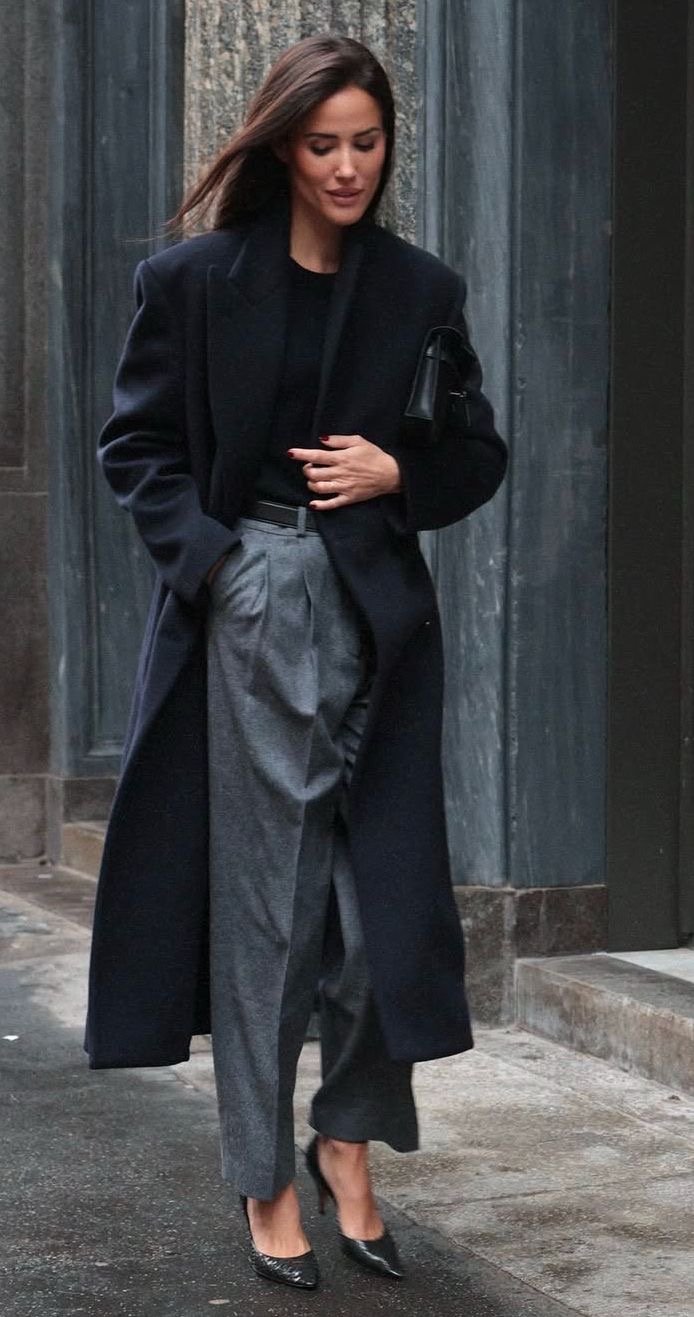
Pinterest: Refined signature silhouette
Your signature accessory: A distinctive handbag or beautiful watch.
Your signature finishing touch: Pointed-toe shoes, a particular neckline or a signature colour.
These details help create consistency without requiring you to repeat entire outfits.
Over time, people begin to associate these elements with your personal style.
That is the real power of a signature style: it becomes recognisable without being restrictive.
6. Create a Weekly Executive Wardrobe Rotation
Planning your wardrobe around different days can help prevent repetition.
For example, but not exclusively to:
Monday – Structured and authoritative
Start the week with strong tailoring, a defined silhouette and polished accessories.
Tuesday – Feminine and sophisticated
Introduce softer fabrics, elegant blouses and more fluid proportions.
Wednesday – Modern minimalist
Keep things simple with clean lines, tonal dressing and understated accessories.
Thursday – Quiet luxury
Focus on beautiful textures, neutral colours and quality tailoring.
Friday – Relaxed executive elegance
Experiment with softer tailoring, refined knitwear or smart separates.
The idea isn't to create a different identity every day. It is to express different aspects of the same identity.
7. Buy Fewer, Better Pieces
A signature executive wardrobe is ultimately about making more intentional decisions.
Instead of constantly buying new outfits, focus on building a collection of clothes that work together.
Prioritise:
Excellent fit
Fabric quality
Tailoring
Versatility
Longevity
A carefully curated wardrobe of 25–35 versatile pieces can create a surprising number of outfit combinations.
And because everything has a purpose, getting dressed becomes considerably easier.
The Final Word: Your Wardrobe Is Part of Your Personal Brand
Your executive wardrobe should do more than make you look well dressed.
It should support the way you work, the way you lead and the way you want to be remembered.
A signature uniform creates consistency, confidence and a sense of personal identity. It removes unnecessary decisions while allowing you to express your individuality through thoughtful styling.
The secret is to establish a recognisable foundation and then introduce variation through colour, silhouette, texture and accessories.
You don't need a completely different outfit every day to look different.
You need a wardrobe that works intelligently.
Ready to Define Your Signature Executive Style?
Your wardrobe should reflect who you are, support where you're going and communicate the confidence and credibility you want to be known for.
Whether you're looking to refine your existing professional wardrobe, create a more distinctive executive image or completely rethink how you present yourself, a considered approach to personal style makes all the difference.