
Which Colours Build Authority? An Executive Stylist’s Guide To Colour And Leadership Presence
Which Colours Build Authority? An Executive Stylist’s Guide To Colour And Leadership Presence
As an Executive Stylist and Image Consultant, I work with leaders who want their clothes to do more than look good. They need their appearance to support their professional reputation and give them the confidence to perform at their best.
So, which colours help build authority?
Navy: The modern authority colour
If there is one colour I would recommend having in an executive wardrobe, it would be navy.
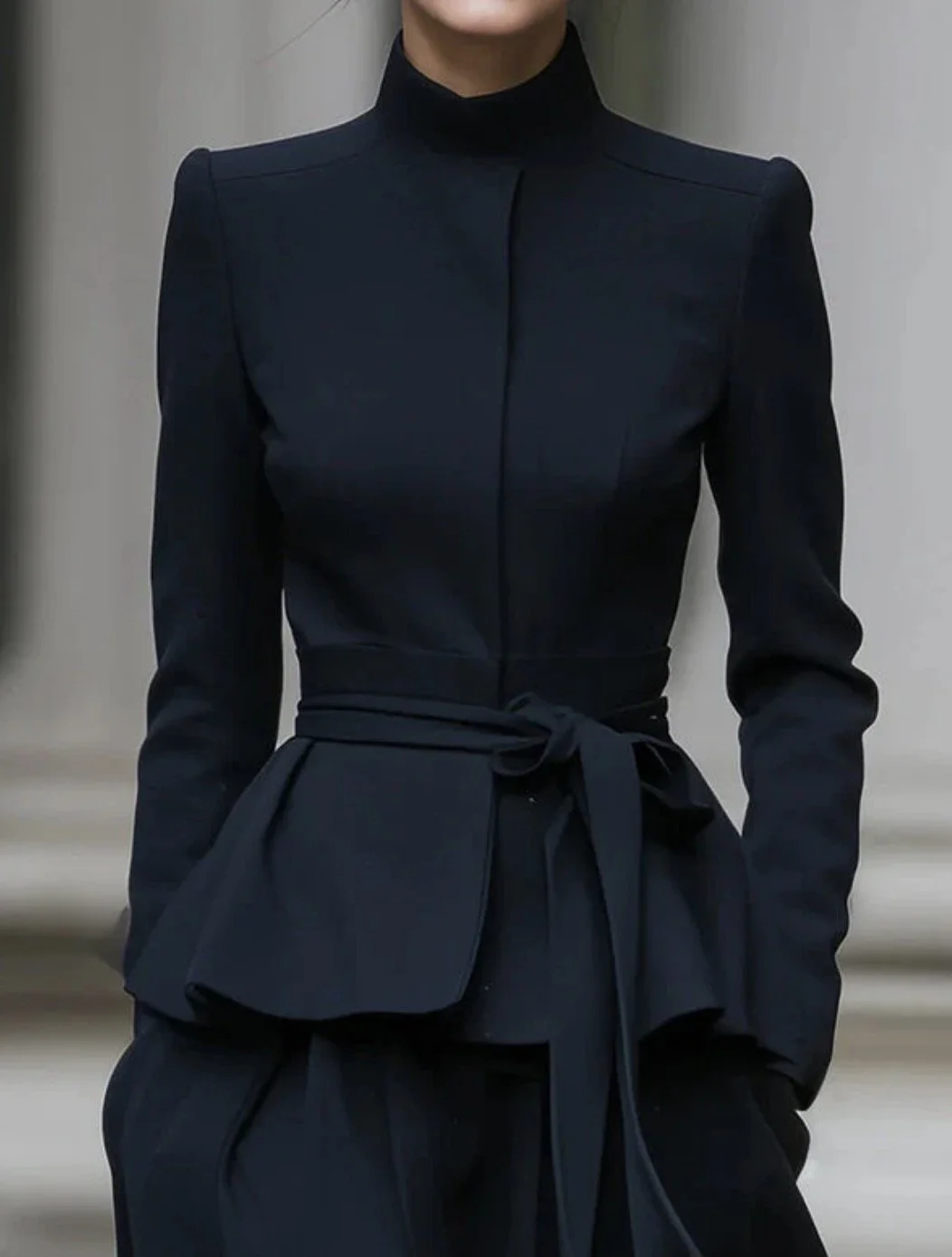
Navy communicates professionalism, competence and reliability. It’s also remarkably versatile.
A navy suit, blazer or tailored dress work beautifully for:
Board meetings
Presentations
Client meetings
Interviews
Speaking engagements
Important first meetings
For many people, navy creates a sense of authority while still allowing them to appear approachable.
It's particularly useful when you want to communicate confidence without intimidation.
Black: Powerful, sophisticated and decisive
Black has an undeniable visual impact.
It creates a strong, polished silhouette and communicate sophistication, authority and decisiveness. That's why it has such a longstanding place in professional wardrobes.
However, black isn't automatically the most authoritative choice for everyone.
Worn close to the face, it can sometimes feel harsh, particularly if your natural colouring is softer. It can also create a more formal or distant impression.
My approach is not to eliminate black, but to use it strategically.
A black jacket over a neutral-tone such as taupe, beige or white, for example, creates structure and authority while maintaining warmth.
Charcoal: Quiet confidence
Charcoal is one of the most underrated colours in executive dressing.
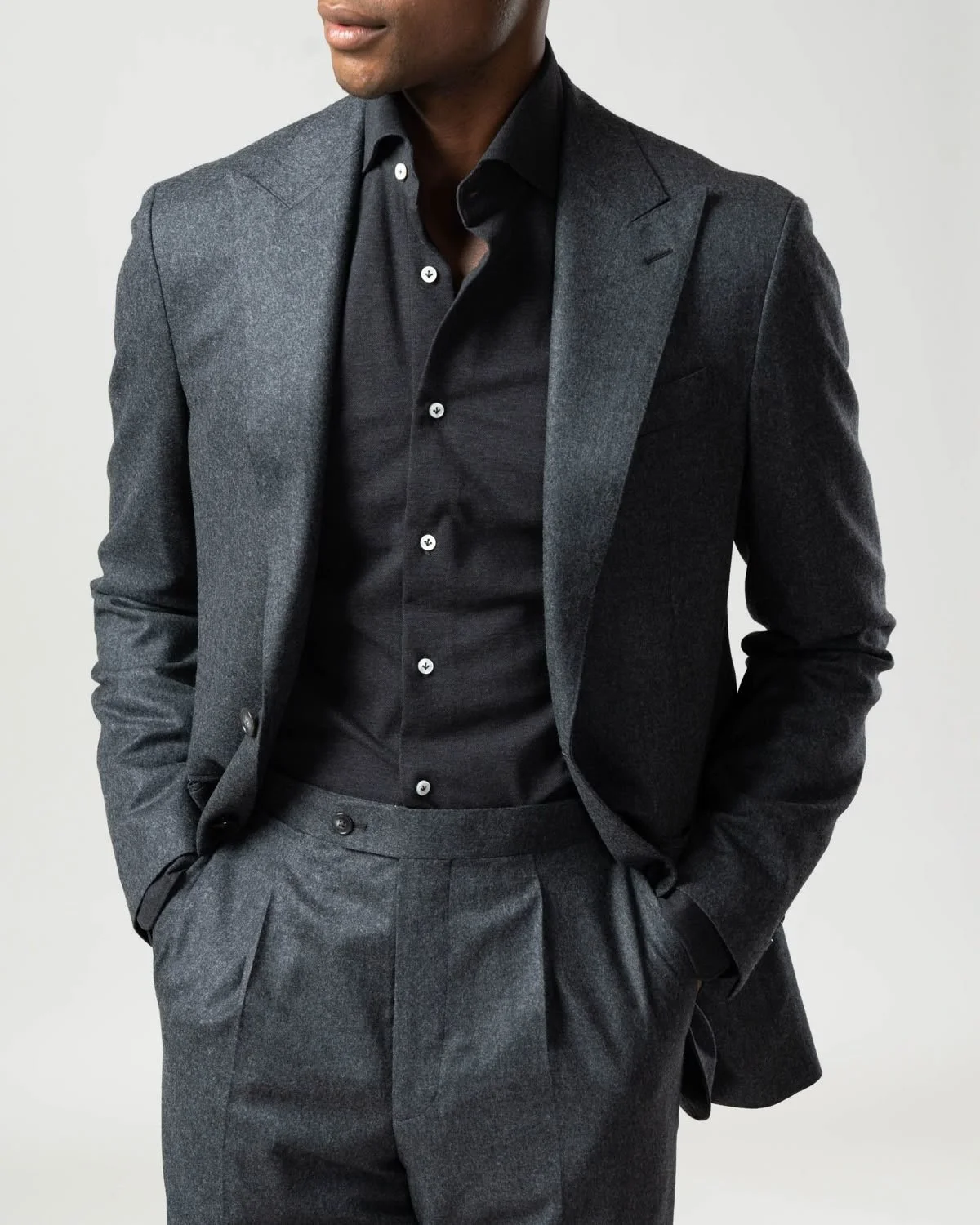
Being on the heavier end of the grey spectrum it has the authority of a dark neutral but feels softer and more nuanced than black.
A charcoal suit or tailored jacket communicates:
“I know what I'm doing and I don't need to shout about it.”
For senior professionals who want to project confidence, credibility and understated sophistication, charcoal can be an excellent choice.
It is particularly effective in environments where you want your expertise to be noticed rather than your clothing.
Red: Confidence and energy
Red is an attention-grabbing colour.
It communicates confidence, energy and decisiveness, but it is also emotionally and visually powerful. That means it needs to be used thoughtfully in an executive setting.
You don't necessarily need to wear a red suit to make an impact.
A red blouse, scarf, lipstick or accessory provides a strategic injection of energy into an otherwise neutral outfit.
Think of red as an accent colour in executive styling, rather than an automatic authority colour.
The right shade can be incredibly effective. The wrong shade, or too much of it, can overpower.
White and ivory: Clarity and presence
White is often associated with clarity, simplicity and freshness.
A crisp white shirt underneath a tailored jacket creates a beautifully authoritative combination because it provides contrast and definition around the face.
However, pure white isn't necessarily the best choice for everyone.
For some people, ivory, cream or a softer off-white will be considerably more flattering.
The goal isn't simply to wear colours that have traditionally been labelled “professional.” The goal is to find the version of those colours that makes you look vibrant and confident.
Green: Confidence with a sense of approachability
Green can be an interesting choice for executive dressing.
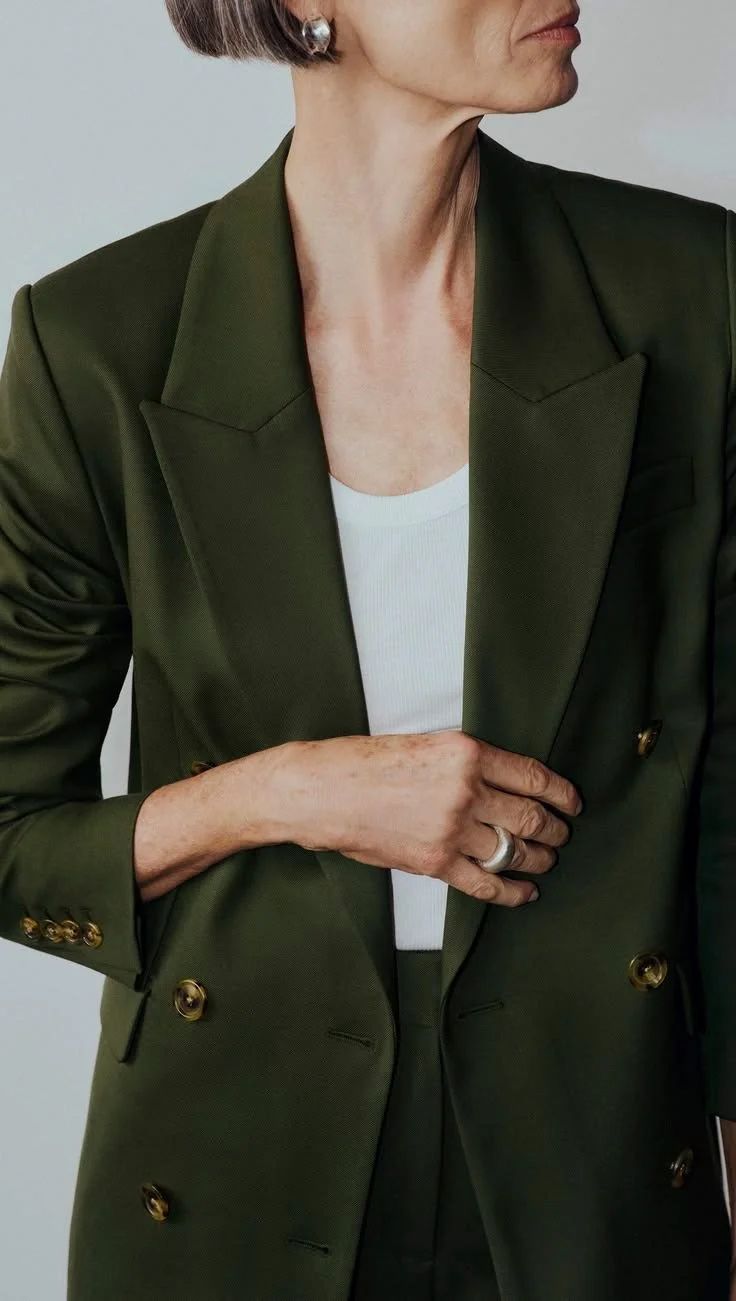
Deep forest, bottle and emerald greens have considerable presence while feeling less conventional than navy or charcoal.
Green also brings a sense of individuality into a professional wardrobe.
For a leader who wants to communicate authority but doesn't want to look overly corporate, a sophisticated green is an excellent alternative to traditional neutrals.
Burgundy and berry: Sophisticated authority
If you love colour but don't want to wear brights, consider deeper shades such as burgundy, oxblood, plum or berry.
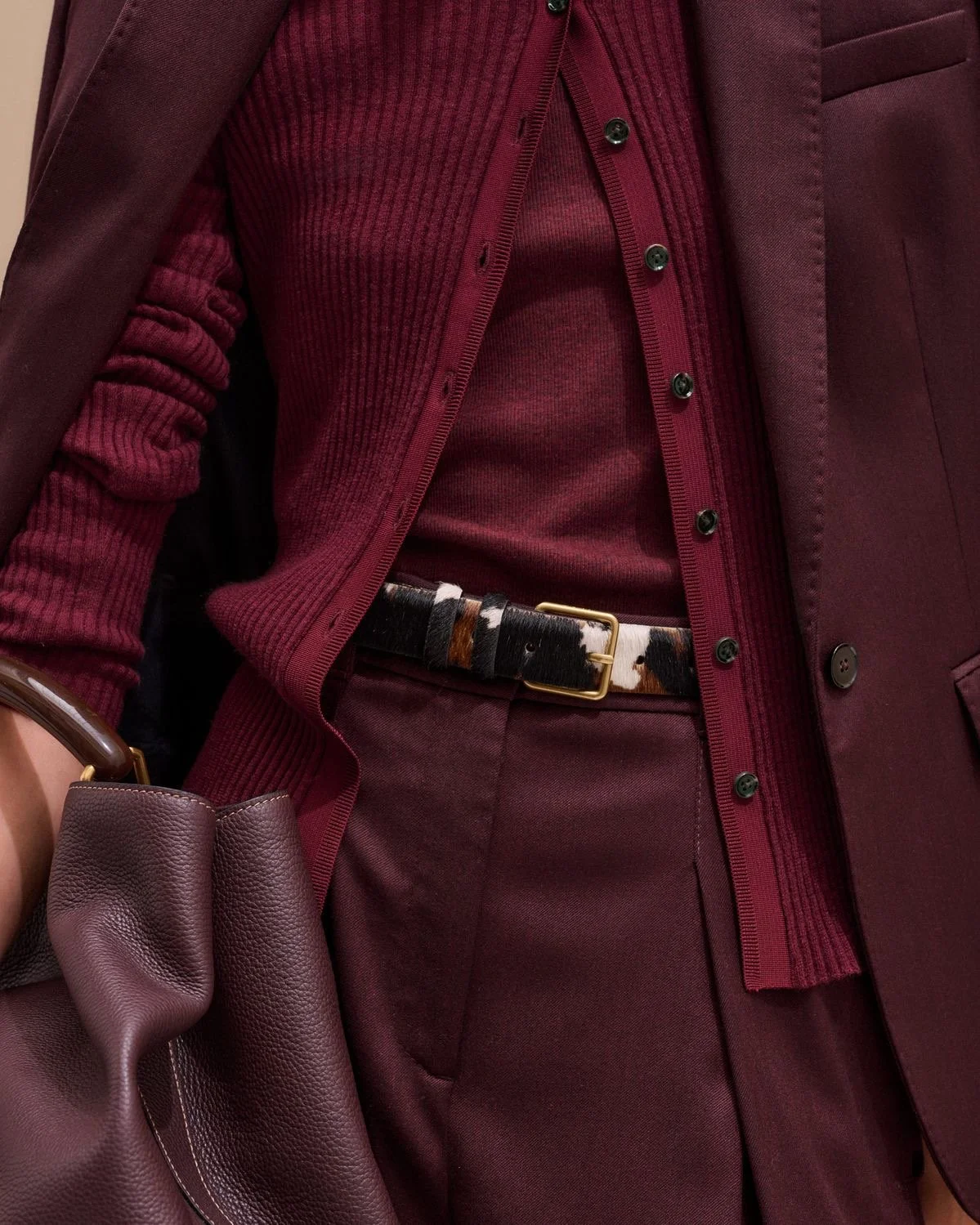
These colours feel luxurious and confident while retaining the sophistication needed in an executive environment.
They work particularly well as:
Dresses
Knitwear
Blouses
Jackets
Accessories
They can also be a more subtle way of introducing personality into a traditionally neutral wardrobe.
The most authoritative colour is the one that makes you look and feel your best
This is the part of executive styling that I think is often missed.
Colour psychology is useful but your colouring matters too.
Imagine putting two people in exactly the same navy jacket. On one person, it looks exceptional. On the other, it might make their complexion appear tired or washed out.
The garment hasn't changed.
The person hasn't changed.
But the interaction between the colour and their natural colouring has.
When you wear colours that genuinely suit you, you look more vibrant and healthy. That has a significant effect on how you feel and consequently on how you carry yourself.
And confidence is an crucial part of executive presence.
Think about the message you need your clothes to send
Rather than asking:
“What colour makes me look powerful?”
I encourage my clients to ask:
“What do I need to communicate today?”
Perhaps you're presenting to the board and want to project authority and credibility.
Navy, charcoal or a deep jewel tone could work beautifully.
Perhaps you're meeting a new client and want to appear both credible and approachable.
A softer combination of navy, blue, cream or a flattering neutral might be more appropriate.
Perhaps you're speaking on stage and need to be visible and memorable.
That's when colour can become much more expressive.
Your clothes should support the role you're stepping into.
Colour is part of your personal brand
For senior leaders, founders and business owners, getting dressed isn't simply about looking polished.
Your appearance becomes part of your personal brand.
The colours you consistently wear can become associated with you. Think about the people whose style you recognise immediately. Often, it's not because they're wearing something extravagant. It's because they've developed a consistent visual identity.
You don't need to wear the same colours every day.
But developing a considered colour palette can make your wardrobe more cohesive and make getting dressed considerably easier.
Build your own executive colour palette
A strong executive wardrobe doesn't need hundreds of colours.
I often recommend creating a personal palette consisting of:
2–3 core neutrals
For example: navy, charcoal, cream or camel.
2–3 signature colours
These might include burgundy, emerald, cobalt, teal, plum or another colour that works beautifully with your natural colouring.
A few accent colours
These can be introduced through accessories, shirts, knitwear, jewellery or other details.
The result is a wardrobe where pieces work together rather than existing as individual outfits.
And that makes dressing for work much easier.
Authority doesn't have to mean looking corporate
One of the biggest misconceptions I encounter is that looking authoritative means looking serious, conservative or corporate.
It doesn't.
You can be authoritative and feminine.
You can be authoritative and creative.
You can be authoritative and approachable.
You can be authoritative and completely yourself.
The most powerful executive style is rarely about following a rigid set of rules.
It's about making deliberate choices that support who you are, what you do and how you want to be perceived.
Your colour should work for you not the other way around
Colour is only one part of executive presence.
The cut of your clothes, proportion, fit, fabric, accessories, grooming and overall styling all contribute to the impression you create.
But colour is a particularly powerful place to start.
When you understand the colours that flatter you and the colours that communicate the qualities you want to project, getting dressed becomes more strategic.
And when you feel confident in what you're wearing, that confidence can change the way you walk into the room, speak in the meeting and show up as a leader.
Your clothes don't create your expertise.
But they ensure your expertise is seen.
About Boo Attwood
Boo Attwood is an Executive Stylist and Image Consultant who helps leaders, founders and ambitious professionals use personal style strategically to build confidence, credibility and executive presence.
Through personalised styling, colour and wardrobe consultancy, Boo helps clients create a professional image that feels both authentic to who they are and aligned with where they want to go.