
Modern C-Suite Execs Build Confidence Through Style
Modern C-Suite Execs Build Confidence Through Style
When my C-suite clients feel right in what they are wearing, they report back saying they stand taller, move differently and communicate far more effectively. All importantly, other people around them respond to those signals - and that’s exactly why the right wardrobe becomes a powerful part of executive presence.
After 20+ years working with senior leaders and ambitious professionals, I’ve seen repeatedly that when someone gets their clothing just right, the transformation isn’t simply visual; they open up fully, becoming more confident in the room. Their clothes stop being something they think about, meaning they able to put full focus on the conversation, the presentation, the negotiation or the decision in front of them.
Confidence and clothing are more connected than we think
What we wear influences how we feel as well as how we’re perceived; meaning there’s good reason why when you put on a particular jacket you immediately feel more pulled together. In the reverse, when you wear something you’ve never quite felt comfortable in, you spend the entire day adjusting it. This is because clothing becomes part of our physical experience: fit affects how we move, fabric affects how we feel, colour affects how we see ourselves and when something feels genuinely right, it removes a layer of self-consiousness. And for a CEO, CFO, COO etc, that matters.
The last thing you want to be thinking about is whether your shirt is pulling, your jacket feels too formal, whether your trousers are sitting correctly or you’ve dressed too casually for the room. Your clothes should elevate you (pull you up!), not distract you (push you down).
The objective isn’t to fabricate confidence through clothing, it’s to remove the visual and physical friction that can get in its way.
Dressing for authority isn’t the same as dressing authentically
There’s a common misconception that executive dressing means looking more formal, more conservative or more corporate. It doesn’t. Authority does not come from wearing a bespoke suit simply because you’re a CEO. It comes from looking intentional with the most effective executive style being a balance between authority and authenticity. It’s crucial you look appropriate, both for your environment and your level of responsibility; but you also need to look like yourself.
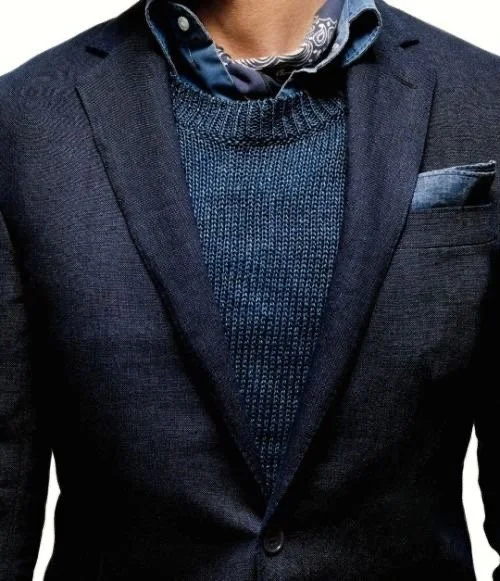
A CEO who has always dressed in relaxed tailoring shouldn’t suddenly feel obliged to become a pinstripe-suit person because they’ve reached the boardroom. Just as a creative founder shouldn’t necessarily try to look like a traditional corporate executive. Ultimately, your wardrobe should align with you and reflect the person behind the title. That’s where personal style becomes particularly powerful.
Colour, fit and silhouette create presence
There are four areas I look at when I’m helping clients build a stronger executive wardrobe: colour, fit, silhouette and consistency.
Colour
Colour can change the entire impression of an outfit.
Dark neutrals create authority and structure. Softer neutrals can feel approachable and understated. A strong colour can communicate energy, confidence and personality.
But there isn’t one universally “powerful” colour.
The most effective colour is one that works with your skin, eyes and hair tones, your environment and the message you want to communicate.
For some people, that might be deep forest green. For someone else, it might be burgundy, cobalt, ivory or another soft neutral.
The point isn’t to dress in a prescribed “power colour”.
It’s to use colour deliberately.
Fit
A perfect fit is one of the quickest ways to elevate an outfit.
For executives, proportion matters. A jacket should sit correctly on the shoulders, trousers should have the right break, sleeves should finish in the right place and shirts shouldn’t pull across the chest.
These details may seem small, but collectively they create polish.
And polish creates confidence in the wearer and trust in the viewer.
Silhouette
Silhouette is about the overall shape of what you’re wearing.
A strong shoulder creates structure a longer line creates elegance, a softer silhouette feels more relaxed and approachable.
The right silhouette isn’t necessarily the most on-trend one.
It’s the one that works with your body, your personality and the impression you want to create.
Consistency
This is one of the most overlooked elements of executive style - your wardrobe should make sense as a whole.
When people meet you repeatedly, your clothes become part of your personal brand and this creates visual consistency that they recognise and respect.
That doesn’t mean wearing the same outfit every day, it means having a recognisable point of view.
Perhaps you’re known for beautiful tailoring, exceptional knitwear, a particular colour palette, understated accessories or a combination of classic pieces with something unexpected.
That consistency creates perception; and that is the reality that people react to initially. The goal is making sure your style accurately reflects your actual capability, ensuring there's no disconnect.
Executive style doesn’t have to mean corporate dressing
The modern workplace has changed dramatically. Many CEOs no longer spend their days in traditional boardrooms wearing traditional corporate uniforms.
They may move between investor meetings, creative teams, conferences, travel, media interviews and informal meetings in a single day, so their wardrobe needs to work harder as a result.
Executive style today can be:
* Tailoring without a traditional suit
* Fine knitwear with beautifully cut trousers
* A sophisticated dress with minimal accessories
* A jacket over denim
* Tonal dressing in sophisticated neutrals
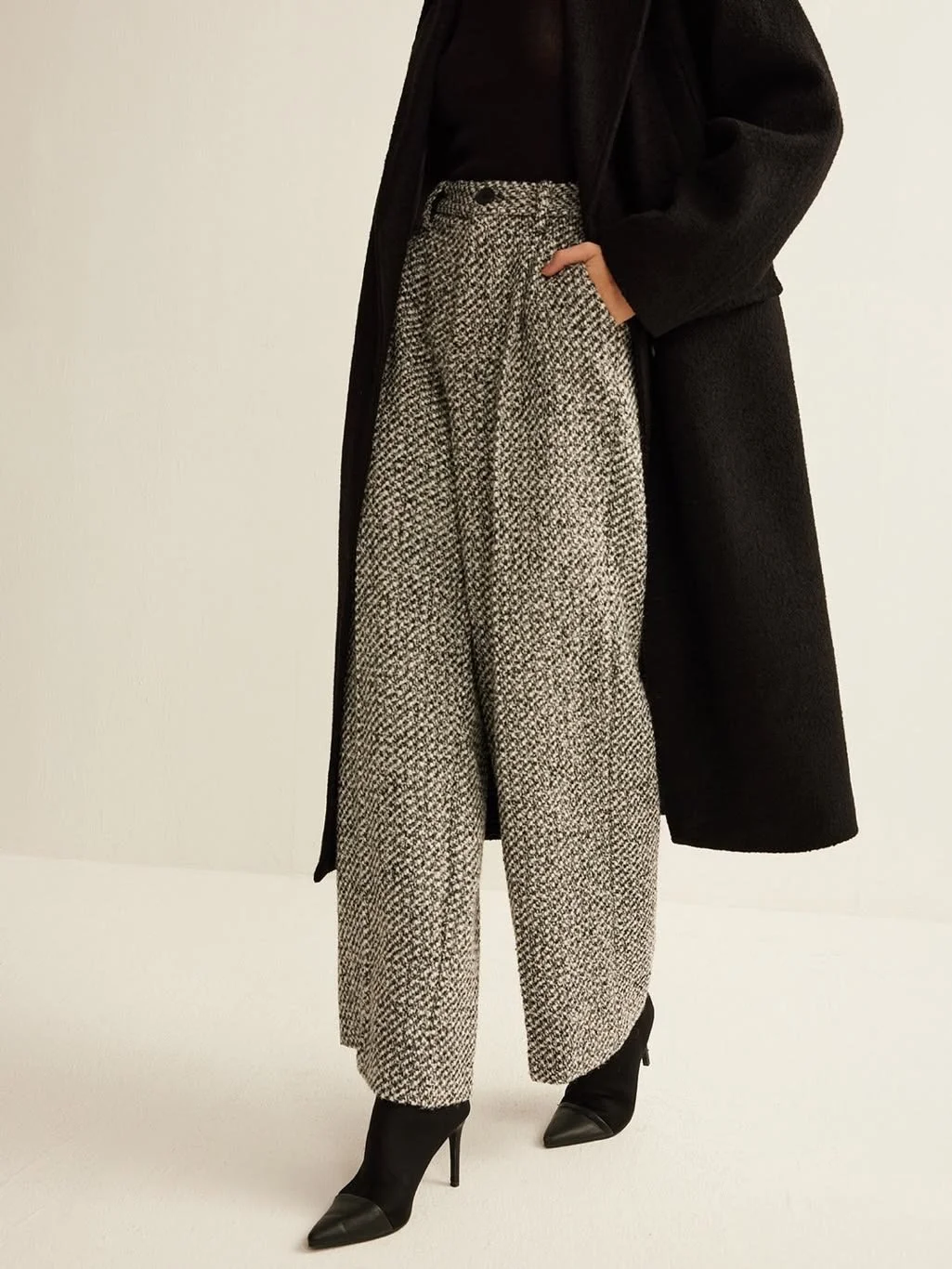
* Contemporary separates
* Distinctive use of colour
* Luxury fabrics minus obvious branding
The goal is not to look corporate, it is to look credible, contemporary and completely at ease in yourself and in your role.
Your wardrobe is part of your personal brand
Personal branding isn’t just your LinkedIn profile, your website or the way you speak about your business, it’s also what people see when you walk into a room. Your clothes form part of the visual information people receive before you’ve said very much at all - that’s not to say we should judge people solely on appearance. However, first impressions will always happen (and do last), whether we like it or not.
For someone in a high-visibility position, your appearance can reinforce - or undermine - the message you are communicating. If you’re positioning yourself as an innovative founder but your wardrobe feels disconnected from that identity, there’s a gap. Just as if you’re stepping into a CEO role but still dressing like the person you were years ago, there’s misalignment. Your style needs to evolve with you.
Feeling confident and being perceived as confident
There’s an important relationship between how you feel in your clothes and how other people experience you. When you’re comfortable and confident, you tend to occupy space differently:
Your posture changes.
You make better eye contact.
You stop fiddling with your clothes.
You become less preoccupied with yourself and more focused on the people around you.
Those are the behaviours that communicate confidence. So while clothing doesn’t magically create confidence, the right clothing can support the behaviours through which confidence is expressed.
That’s why I don’t believe in dressing someone up as a version of what a “successful person” supposedly looks like - my belief is to help each individual client find the clothes that allow their own authority and authenticity to come through more clearly.
Try a CEO Style Audit
You don’t necessarily need a new wardrobe, you simply need to look at your existing one differently.
Take 20 minutes and ask yourself:
1. What do my clothes currently communicate?
If someone met you for the first time today, what three words would they use to describe your appearance?
Are those words consistent with how you want to be perceived?
2. Where do I feel most confident?
Think about three outfits you’ve worn recently where you felt completely yourself.
What did they have in common?
Look at the colour, fit, fabric and silhouette.
3. What do I avoid wearing?
Is there something you consistently avoid because you don’t feel comfortable in it?
Is that because it genuinely doesn’t suit you - or because you’ve simply never found the right version?
4. Does my wardrobe reflect my current role?
Not the role you had five years ago.
Not the role you think a CEO “should” dress for.
Your role now.
5. Is there enough personality?
Look at your wardrobe and identify the pieces that feel unmistakably you.
If you can’t find many, that’s worth exploring.
Executive style shouldn’t erase personality.
6. Can I get dressed without overthinking?
This is perhaps the most important question.
When your wardrobe is working properly, getting dressed becomes easier because:
You know what works.
You know what fits.
You know what combinations make you feel confident.
In short, you don’t need more clothes, you need the right clothes working harder for you.
If you’re stepping into a new leadership role, increasing your visibility or simply feeling that your wardrobe no longer reflects where you are professionally, this is exactly the work I do with my clients.
Click the link below if you’d like to explore what that could look like for you.